You may not like the noise of a passing car interrupting your conversation, or your neighbor’s dog waking you before the alarm. But if you live near a busy street or have older windows, outside noise can become part of your everyday life. Most people don’t notice how much sound comes through their windows until they spend time in a room with newer, better-sealed ones.
Older windows, loose frames, thin glass, and worn seals can let traffic, voices, lawn equipment, and other outdoor sounds into your home. Replacing them with the right windows can help cut down on that noise while also making your home more comfortable, energy-efficient, and attractive.
But simply choosing “double-pane windows” is not always enough. The glass, spacing, frame, seals, and quality of the window installation all affect how quiet the finished room will feel.
Need better window replacement options? Contact Us!
Why Do Some Windows Let in So Much Outside Noise?
Sound moves through vibrations. When sound waves reach a window, they cause the glass and surrounding materials to vibrate. Some of that sound then passes into the room. Older single-pane windows provide very little resistance because there is only one thin layer of glass between your home and the outdoors. Noise can also enter through:- Gaps between the sash and frame
- Cracked or missing caulk
- Worn weatherstripping
- Loose window locks
- Damaged frames
- Poorly insulated spaces around the opening
How Do Replacement Windows Reduce Noise?
Noise-reducing windows use several barriers to slow sound vibrations before they enter your home. The most important features are the number of panes, the thickness of the glass, the space between panes, laminated layers, and tight seals. The window frame matters too. A window’s noise-reduction performance depends on the entire assembly, not just the glass. The frame, seals, construction, and quality of the installation can all affect how much outside noise makes it into your home. Here is a simple comparison:| Window Type | Noise-Control Ability | Best Suited For |
| Older single-pane window | Limited | Quiet areas with little outdoor noise |
| Standard double-pane window | Better than single-pane | Neighborhood traffic and everyday sounds |
| Triple-pane window | Can offer additional sound control, depending on the design | Homes needing added thermal comfort and some noise control |
| Laminated or acoustic glass | Can provide stronger sound reduction | Busy roads, schools, barking dogs, aircraft, or commercial areas |
| Window insert or secondary panel | Can improve an existing window | Improving an existing window without complete replacement |
Is Double-Pane or Triple-Pane Glass Better for Noise Reduction?
- Double-pane windows have two panes separated by a sealed airspace. That extra pane and space create more resistance than a single sheet of glass. For many homes, this can produce a noticeable improvement.
- Triple-pane windows have three panes of glass instead of two. While they can be a good choice for keeping your home comfortable, adding a third pane doesn’t always make a big difference when it comes to outside noise. The type of glass and the space between the panes also matter.
Schedule a Professional Window Evaluation – Call (775) 391-8487
When Is Laminated Glass Worth Considering?
Laminated glass contains a flexible layer between sheets of glass. This inner layer helps absorb sound energy and reduce vibration. It can be more useful when a home is exposed to steady or intense noise from:
- Major roads and intersections
- Schools and playgrounds
- Train tracks
- Airports or flight paths
- Nearby commercial properties
- Frequently barking dogs
Laminated glass can also provide added protection because the inner layer helps hold broken glass together.
You may not need laminated glass throughout the entire house. If most of the noise is coming from the street, you could use it for the windows in your front bedrooms or living room and choose standard insulated glass for quieter areas of the home. This can help you deal with the biggest noise problems without upgrading every window to a more expensive glass option.
What Do STC and OITC Ratings Mean?
When you’re comparing windows for noise reduction, you may come across two ratings: STC and OITC.
- STC stands for Sound Transmission Class. It looks at how well a window or material blocks a range of sounds, including many of the frequencies found in everyday speech.
- OITC stands for Outdoor-Indoor Transmission Class. It puts more weight on lower-pitched outdoor sounds, such as traffic, trains, and aircraft. If you live near a busy road or another major source of outdoor noise, OITC may be the more helpful rating to look at. In general, a higher rating means the window does a better job of reducing sound transmission.
When comparing ratings, clarify whether the score applies to the glass alone or the entire window assembly. Fixed picture windows, for example, often perform differently than operable windows with moving sashes, even when using the same glass package
If noise is a major concern, ask the window installation company for the rating of the complete window you’re considering.
Why Is Professional Window Installation So Important?
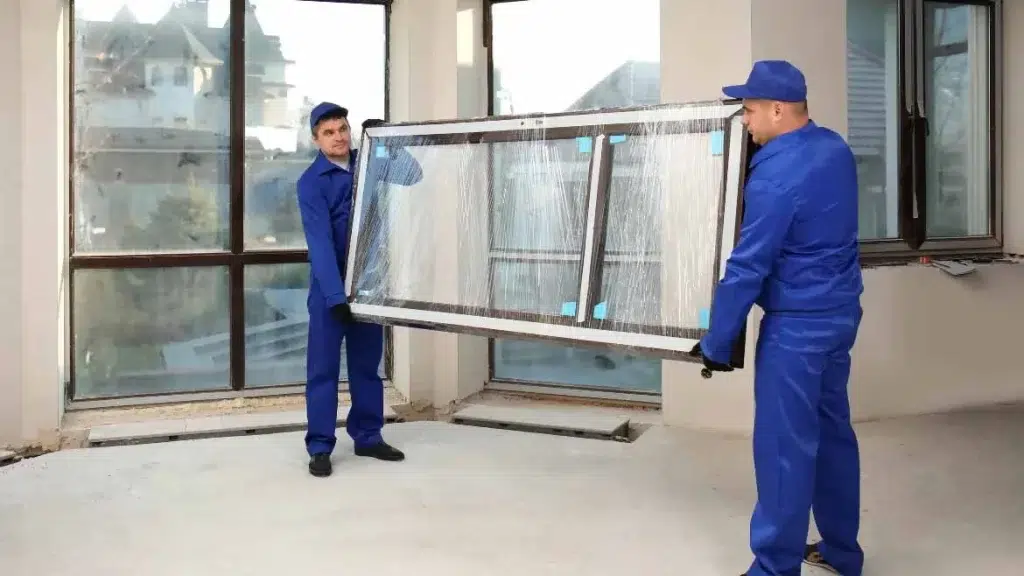
A high-performance window can still disappoint when it is installed poorly. Sound follows the easiest path. If there are gaps around the frame, weak seals, or uninsulated spaces between the window and wall, noise can travel around the glass instead of through it.
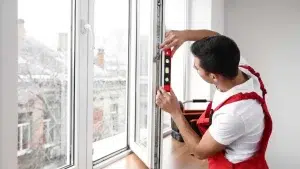
A professional window installation starts with accurate measurements. The installer should also insulate the space around the opening and make sure the sash and locks work as they should. Once the job is done, the window should close tightly without leaving gaps where air or noise can get through.
Proper installation is especially important in Northern Nevada, where windows are exposed to strong sunlight, dry conditions, wind, dust, and temperature swings.
When Is Window Replacement Better Than Small Repairs?
Sometimes, you don’t need a new window to deal with outside noise. If the window itself is in decent shape, replacing worn weatherstripping, fixing the lock, or adding fresh caulk around the frame may be enough to stop small gaps where sound and air get through.
But if the window is showing several signs of wear, it’s probably time to think about replacement. You may want to consider new windows if:
- The window still has single-pane glass
- The frame is warped, cracked, or damaged
- The window rattles whenever a truck or car goes by
- You feel a draft around the closed window
- You see moisture trapped between the panes
- The window sticks, won’t open properly, or is hard to lock
- Outside noise has become a regular annoyance
- The area around the window feels noticeably hotter or colder than the rest of the room
Thick curtains or window inserts can help soften some noise, but they won’t fix a damaged frame or a failed seal. If your windows are old and you’re dealing with several of these problems at the same time, replacing them may be a better option than continuing to repair one issue after another.
Frequently Asked Questions
No. New windows won't make your home completely silent. Sound can still enter through walls, doors, vents, and other parts of the house. The goal is to reduce the amount of noise that gets inside. If your windows are old or poorly sealed, replacing them with new windows with the right glass and sound ratings can make traffic and other outdoor noise much less noticeable.
Yes. If most of the noise comes from the street, replacing the windows on that side of your home may make a noticeable difference. This can be especially helpful in bedrooms, living rooms, and home offices. It may also cost less than replacing every window. Before starting the project, check for other places where sound may enter, such as doors, vents, or gaps around the walls.
Look for a complete window system that combines sound-control features with strong energy performance. Depending on your home, that may include insulated glass, laminated panes, Low-E coatings, durable frames, and quality seals. Strong sunlight, dry air, wind, dust, and temperature swings can all affect window performance over time, so professional installation suited to the local climate is important.
AREAS WE SERVE
Stop Letting Street Noise Enter Through Old Windows – Call (775) 391-8487
Takeaway
If outside noise is driving you crazy, replacing your windows may help more than you think. But you don’t necessarily need the most expensive windows or the most panes of glass. What works best will depend on the type of noise you’re dealing with and the condition of your current windows.
Check where the noise is getting in. Sometimes, a simple repair or better sealing may do the trick. If your windows are old, drafty, damaged, or no longer close properly, replacing them could make your home quieter and more comfortable.
Read More!
- Black vs. White Window Frames: Which Lasts Longer Over Time?
- Window Replacement Cost Calculator: 2026 Pricing Tips
- Window Cut-Ins, Relocations & Enlargements: Complete Guide
- Best Siding Options for Reno Homes | Protect Against Harsh Winters
Bring More Peace Into Your Sparks Home with Windows & Siding Reno
If outside noise, drafts, or aging windows are becoming a problem, Windows and Siding Reno can help you look at your options.
We provide window installation and window replacement services for homeowners in Sparks and surrounding Northern Nevada communities.
With over 25 years of experience, more than 1,000 projects completed yearly, BBB accreditation, warranty-backed products, and a Nevada contractor license (#0077896A), we can help homeowners compare window styles, glass packages, energy features, and financing options.
Our experienced team offers free in-home estimates, quality products, warranties, flexible financing options, and practical recommendations based on your home, not a pushy sales pitch.
Whether you need one street-facing window upgraded or a full-home window installation and replacement in Sparks, we can help you select a window system that improves noise control, energy efficiency, security, and appearance.
Give us a call at (775) 391-8487 to schedule your free estimate and same-day appointment.